What Makes a Great Pub Venue Worth Visiting
Finding the right pub venue depends entirely on what you're looking for. Some people want a quiet corner for conversation, others seek lively atmospheres with live entertainment, and many search for quality drinks at reasonable prices. The best pub venues in the UK cater to different tastes and occasions, whether you're a casual drinker, a craft beer enthusiast, or someone who values good food alongside a pint.
A truly excellent pub combines several key elements. The atmosphere should feel welcoming without being overly noisy, the staff should know their drinks range, and pricing should offer genuine value rather than inflated tourist rates. Location matters too, whether it's in a historic market town or a bustling city centre. The best venues have their own character, reflecting local heritage whilst remaining accessible to visitors.
When comparing pub venues, you'll notice significant differences between chains and independent establishments. Independent pubs typically offer more personality and often stock local beers and spirits, whilst larger chains provide consistency and familiar surroundings. Neither is inherently better, it depends on your preferences and what you want from your visit.
Traditional Real Ale Pubs vs Modern Craft Beer Bars
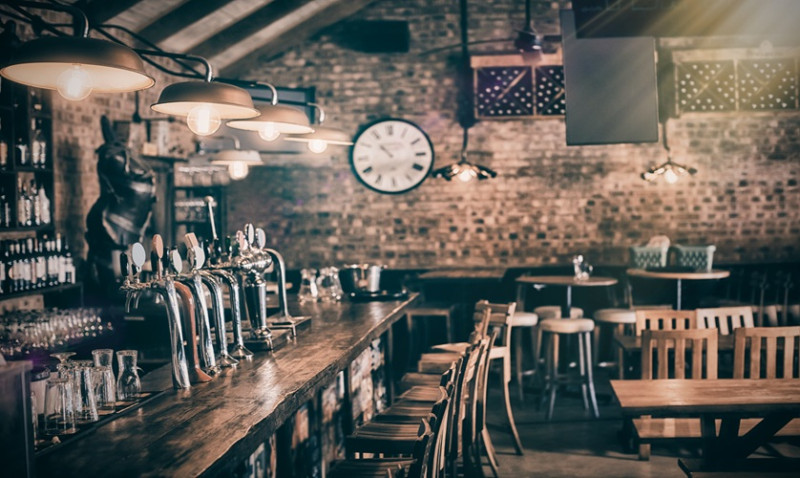
The distinction between traditional real ale pubs and contemporary craft beer bars matters for serious drinkers. Real ale pubs focus on cask-conditioned beers that are hand-pumped and served at cellar temperature, typically between 50-55 degrees Fahrenheit. These establishments often date back decades, sometimes centuries, and maintain brewing traditions.
Key characteristics of traditional real ale pubs include:
- Hand-pulled pints from wooden casks stored in temperature-controlled cellars
- Regular beer rotations featuring local and regional breweries
- Staff trained in proper cellar management and beer storage
- Minimal intervention in beer serving, allowing natural flavours to shine
- Typically quieter environments suited to conversation and appreciation
Craft beer bars emerged primarily in the last 15 years and celebrate experimentation and innovation. They stock contemporary brewing styles including IPAs, sour ales, and experimental flavours that wouldn't appear in traditional pubs. The atmosphere tends to be younger and more energetic, with staff who can discuss beer profiles and food pairings.
Real ale pubs are concentrated in regions with strong brewing heritage, particularly Yorkshire, the Midlands, and Southwest England. Craft beer bars flourish in city centres and university towns where younger demographics congregate. Many pubs now offer hybrid approaches, serving both cask real ales and craft keg selections to appeal to broader audiences.
Gastropubs: Where Food Quality Meets Drink Selection
Gastropubs represent a significant shift in the UK pub landscape, combining serious food preparation with excellent drink offerings. These venues typically employ trained chefs and source quality ingredients, elevating pub meals far beyond traditional chips and gravy. Food-focused pubs have transformed dining expectations across the country.
What distinguishes gastropubs from regular pubs:
- Chef-prepared menus using seasonal, locally-sourced ingredients
- Wine lists curated to complement food offerings
- Prices reflecting restaurant-quality standards, typically £12-25 per main course
- Open kitchen concepts allowing visibility of food preparation
- Dining areas separate from drinking spaces
- Often located in affluent areas or picturesque countryside settings
Gastropubs excel in semi-rural locations where customers travel specifically for meals combined with drinks. The Cotswolds, Surrey, Sussex, and areas around London feature numerous high-quality gastropub venues. These establishments often maintain traditional pub atmospheres whilst delivering fine-dining standards.
The gastropub model works particularly well for anniversaries, business meals, and weekend gatherings. However, expect to spend £40-70 per person including drinks, significantly more than standard pub visits. Quality varies considerably, so researching reviews and menus beforehand is essential.
Live Music and Entertainment Venues
Many pub venues prioritise entertainment, hosting live music, comedy nights, or quiz events. Entertainment-focused pubs create energy and excitement beyond simple drinking, making them ideal for social occasions and group outings. The quality of entertainment varies dramatically between venues, from professional touring acts to amateur open-mic nights.
Types of entertainment you'll find in quality pub venues:
- Live bands performing rock, blues, folk, or covers most weekends
- Stand-up comedy nights featuring established and emerging comedians
- Quiz competitions with substantial prize pools and themed rounds
- DJ-hosted dance events in late-night venues
- Acoustic sets from singer-songwriters in intimate settings
- Theatre performances and spoken word events in alternative venues
Cities like Manchester, Liverpool, Glasgow, and London offer exceptional live music pub scenes with multiple venues in various genres. Venues specialising in folk, country, and traditional music tend to concentrate in rural areas and market towns. Sound quality, stage setup, and crowd management differ substantially between established venues and newly converted entertainment bars.
Attending live entertainment venues typically requires arriving early for good seating, particularly on Friday and Saturday evenings. Many charge cover fees ranging from £3-15 depending on artist reputation. Food and drink quality can sometimes be secondary to entertainment at these venues, so adjust expectations accordingly.
Regional Pub Venue Standouts Across the UK
Different regions have developed distinct pub cultures and venue styles reflecting local history and demographics. Scotland's pub scene emphasises whisky selection and traditional cask ales, with venues like Edinburgh's Rose Street offering historic character and numerous establishments within walking distance. Northern England, particularly Yorkshire and Lancashire, maintains strong commitment to traditional brewing heritage with outstanding real ale pubs that have remained family-run for generations.
The Midlands produced Britain's strongest brewing tradition, and contemporary pubs there continue stocking diverse local and regional cask ales. London offers every conceivable pub style, from Victorian gin palaces to minimalist craft beer bars, though higher prices reflect capital city positioning. The Southwest, particularly Cornwall and Devon, combines coastal scenery with excellent seafood-focused gastropubs and craft breweries.
Welsh pubs often feature Welsh language signage and strong community atmospheres, particularly outside major cities. Northern Ireland and the Republic both emphasise whiskey bars and traditional music sessions, which offer genuinely different experiences from English pub culture.
Pricing, Accessibility and Practical Considerations
Pub venues vary dramatically in cost depending on location, type, and establishment status. London pints average £6-8 for standard ales, whilst comparable quality drinks in rural areas cost £4-5. Gastropub meals cost 40-60% more than traditional pub food. Premium craft beer bars often charge £5-7 per 330ml pour, reflecting imported ingredients and specialist production methods.
Practical factors when comparing venues include:
- Parking availability and accessibility for those without cars
- Wheelchair accessibility and toilet facilities
- Noise levels and suitability for conversation
- Opening hours alignment with your schedule
- Food availability and whether meals are essential or optional
- Payment methods accepted, particularly for card-only venues
Many traditional real ale pubs operate with limited evening hours, particularly mid-week, so checking opening times is essential. Craft beer bars and gastropubs typically stay open later and maintain consistent schedules. Food availability varies enormously, some pubs offer excellent meals, others provide only crisps and nuts.
When planning pub visits, book in advance for gastropubs, entertainment venues, and popular city centre locations. Rural pubs rarely require reservations but may close unexpectedly if quiet. Reading recent reviews provides invaluable insight into current standards, particularly regarding food quality and staff service levels.
Making Your Venue Comparison and Choice
Selecting the ideal pub venue depends on balancing multiple factors including your budget, desired atmosphere, food expectations, and entertainment preferences. Start by identifying whether you prioritise drinks selection, food quality, entertainment, or simple conversation-friendly surroundings. Different venues excel in different areas, and rarely will a single establishment rank highly across all categories.
Check online reviews on Google Maps and specialist beer guide websites, but take extreme opinions with caution. Look specifically for recent reviews mentioning staff knowledge, drink freshness, and current menu offerings. Visit during your intended time of day, as many pubs transform between quiet afternoons and loud evenings.
If you're in an unfamiliar area, ask locals for recommendations, they'll typically suggest genuine quality venues rather than tourist traps. Many excellent pubs never advertise online and rely on word-of-mouth reputation entirely.
Ready to find your perfect pub venue? Compare quotes and reviews from 3 quality providers in your area to discover the best atmosphere, drinks selection, and value for your needs.
Trending articles
- Pub And Bar Rates and Pricing in 2026: ... Feb 2026
- Best Pub Venues in the UK: A ... Feb 2026
- How to Find a Pub for a Private Event ... Feb 2026
- Pub Hire Costs UK 2026: Complete ... Feb 2026
-
 Top Strategies for Attracting More ...
Jun 2025
Top Strategies for Attracting More ...
Jun 2025
-
 How to Run a Successful and Popular ...
Nov 2020
How to Run a Successful and Popular ...
Nov 2020